

By: Adwaieet Bhide, Yuki Li, Kelly Ufford, Howard Zhang, Xiru Zhang
This part of the study translates gaming company strategy into an execution plan across three tracks - NPC innovation, intelligent monetization, and ethical LiveOps - supported by new evidence from a 1,159-response consumer survey, nine expert interviews (developers, influencers, and experiential professionals), and secondary industry research. Part I established the market context for AI’s disruptive potential and identified three priorities: live operations evolution, commerce optimization, and advanced player analytics. This part unpacks new data to uncover the highest-leverage AI applications that deepen gameplay engagement, convert payment resistance through demonstrated value, and safeguard community trust. Accordingly, Part II outlines actionable playbooks (context-aware NPCs and adaptive narratives), platform tactics (purchase-aligned mobile personalization and cross-play integration), and operational models (behavior-based matchmaking and transparency protocols) designed to drive scalable, technology-led growth while preserving the integrity of shared human play.
Research Questions
This study focused on the current AI applications in video game development and live operations, as well as player relationships, community engagement, and NPC interactivity. The primary objective was to comprehensively understand how AI technologies will reshape the gaming ecosystem over the next three years through one primary research question and two supporting research questions.
Primary Focus
How will AI technologies transform video game ecosystems over the next three years, particularly in live operations, commerce, and player analytics?
Supporting Focus
How will AI-driven systems impact player-to-player relationships and interactions with NPCs?
Which AI applications in game development and operations most significantly affect the industry?
Introduction of Methodology
This study employed a mixed-methods approach, combining firsthand qualitative interviews, a quantitative consumer survey, and secondary research from industry reports and academic papers. The latter was detailed in Part 1. The firsthand research concentrated on the impact, implications, and consumer preferences surrounding the use of AI in video games. Secondary research focused on gathering contextual information and insights into existing AI applications and the research landscape within the gaming sector.
Qualitative Interviews
Nine individuals were interviewed, including developers, influencers, and experiential entertainment professionals, to understand how stakeholders perceive the use of AI in gaming.
Video Game Developers. Developers offer knowledge on the decisions to invest in AI technology to create games and how AI may shape a player’s experience.
Gaming Influencers. Video game influencers livestream an average of four to ten hours per day to audiences ranging from 25 to 25,000+ viewers (Stream Hatchet, 2021). Their insights reflect the views of the broader gaming community due to their significant engagement with fans.
Experiential Entertainment. Innovation drives this sector of entertainment through rapid technological advances that elevate in-person and virtual experiences, which could inspire new developments in video games
Quantitative Survey
A consumer survey sought to understand player perspectives, preferences, and expectations about AI in gaming. The target sample size was 1,000 responses, with the goal of approximately 300 responses each from Mobile, Personal Computer (PC), and Console players. The survey was directed to Millennials and Gen Z gamers from the United States (U.S.), ages 18–44. We analyzed the data using Qualtrics’ built-in tools, with additional Excel and R analysis for deeper statistical insights and comparative analysis using Pearson correlation.
Limitations of the Study
The following limitations outline factors that may influence the interpretation and application of our findings to our recommendations. First, this study requested survey data specific to gamers from the U.S. This specification limited our sample size, reducing the ability to generalize findings across a broader population. Therefore, conclusions may not fully represent the player preferences of the global gaming community (Faber & Fonseca, 2014). Second, while surveys and interviews are effective data collection tools, their design may inadvertently introduce bias or fail to capture subtle player behaviors and preferences. A third limitation pertains to the study’s cross-sectional design, which limited our ability to track the dynamic development of AI technology and may narrow our understanding of future applications of AI (Setia, 2016). While this study builds on existing research and new insights into AI’s growing role in the video game industry, these limitations should be factored in when interpreting findings.
Video Game Consumer Survey
The results of the consumer survey provided a data-driven look into how players perceive and experience AI technology in gameplay. We aligned our survey sample to a target audience of U.S.-based gamers aged 18-44 years old (Millennials and Gen Z), with a subgroup aged 13-17 years old. Due to a low response rate from those aged 13-17 years old, we removed this subgroup from our analysis. Additionally, we removed any respondents over 45 years old. Gaming platforms further segmented the sample to ensure representation across Mobile, PC, and Console, as each platform offers a distinct AI-driven experience. We identified key trends by examining players’ familiarity with AI-driven features, including demand for smarter NPCs, immersive narratives, and player skepticism toward AI monetization. These insights provide context for decision-making with respect to AI integration strategy, enhance game design, and allocate human resources more efficiently to focus on high-value creative and strategic tasks.
The survey was created using Qualtrics and remained open from February 1, 2025, to March 1, 2025. Team members distributed the survey through personal outreach, social media, and platforms like Reddit and Discord, where gaming communities are actively engaged. Additionally, we contacted over 30 collegiate Esports teams across the U.S. In recent years, collegiate Esports experienced explosive growth, with over 15,000 players as of 2020, making it a particularly valuable demographic for understanding emerging gaming behaviors and attitudes from these highly feedback-oriented communities (GCU Experience, 2020).
Survey Limitations
Although the survey collected data as anticipated, the following possible limitations of the results. With an average completion time exceeding five minutes, some participants, particularly those less familiar with AI-driven gaming features, may have exited the survey prematurely. Additionally, feedback indicated that some respondents perceived the questions as more relevant to “hardcore” gamers, which may have contributed to a higher dropout rate among casual players. This self-selection bias may have resulted in more responses from individuals with strong opinions or extensive experience with AI in gaming, potentially affecting the overall findings. While recent secondary research suggests that the gaming population is approaching gender parity, particularly on mobile platforms, our sample skewed toward PC and console players (Arbanas et al., 2024). These platforms tend to have higher male participation, which may explain the gender imbalance observed in our respondent pool (Clement, 2024). Finally, due to survey length constraints, It is not possible to include detailed correlation-based questions for every factor. Instead, findings are supplemented with expert interviews to conduct a more in-depth analysis of how AI interacts with player preferences, consumer behavior, and long-term engagement trends.
Participant Summary
Our survey had 1,159 complete responses. We removed incomplete responses and screened out participants who played less than one hour of games per week or fell outside our target demographics. Table 1 breaks down the demographic responses by preferred platform, gender, and age.
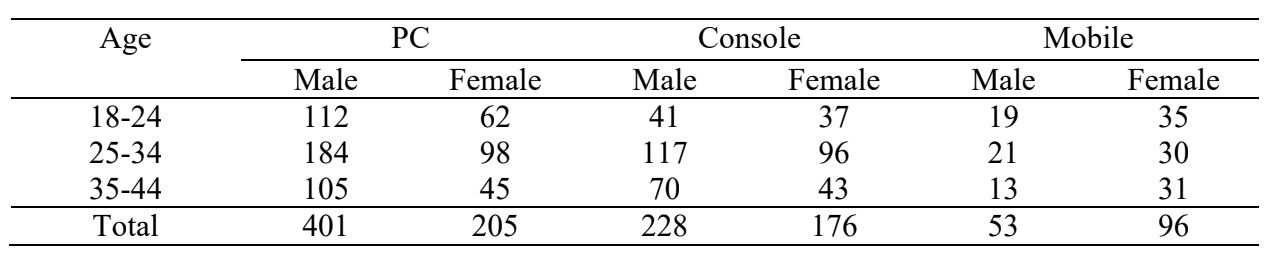
Table 1: Demographic Breakdown by Platform Preference. Source: Data from the author’s survey.
Note. This table does not include those who responded with their preferred gender as non-binary/other (4.1%) and those who preferred not to answer (0.6%). However, these groups are incorporated into the overall distribution analysis throughout this study.
In terms of age distribution, the largest group was 25-34 years old (46.5%), with 35-44-year-olds (24.8%) and 18-24-year-olds (26.8%) similarly represented. Across gaming platforms, PC was the most preferred (52.3%), followed by console (34.8%) and mobile (12.6%). For gaming habits, most participants (40.6%) reported playing 6-15 hours per week. Regarding monthly spending, the $11-$50 range had the highest number of participants (41.4%), while approximately 17.1% stated that they do not spend any money on games. Participants demonstrated moderate familiarity with AI-driven gaming features, and overall satisfaction levels reflected a cautiously optimistic attitude toward the role of AI in gaming.
Results and Analysis
To comprehensively understand the trends in our data, we organized the survey analysis into three sections. These areas of focus include (1) key findings across all gamers regarding familiarity with AI, willingness to pay, and feature experience; (2) ethics of AI in gaming; and (3) platform-specific insights across Mobile, PC, and Console.
Familiarity with AI vs. Willingness to Pay
Understanding how familiarity with AI affects a player’s willingness to pay for the technology offers insight into the nuances of consumer attitudes toward monetization. Figure 2 revealed a significant pattern regarding consumer attitudes toward the monetization of AI in gaming. The relationship showed that increased knowledge about AI technology does not necessarily translate to a greater willingness to pay for AI features.
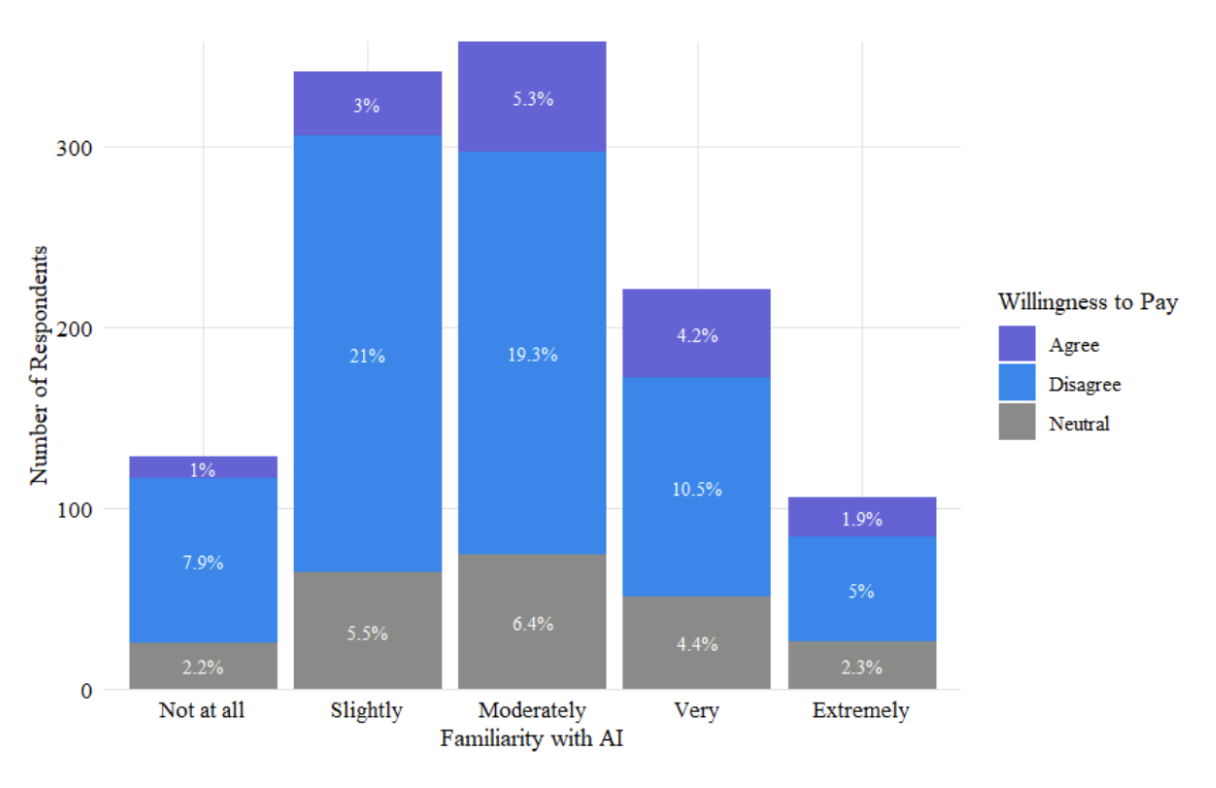
Figure 2: AI Familiarity by Willingness to Pay for It. Source: Data from the author’s survey.
Note. The distribution of each column represents the proportion of respondents’ willingness to pay for AI across different levels of AI familiarity.
Comparing all responses across varying levels of familiarity with these features, shows that 63.7% of respondents opposed paying for AI features. Even still, for the 9.2% of respondents who were extremely familiar with AI, resistance to payment remained prominent. This data suggests an educational and value proposition challenge rather than an awareness issue. To successfully monetize AI features, game developers should focus on demonstrating tangible benefits that might overcome this pay-resistant mentality, especially from experienced gamers.
AI Features: Experienced vs. Desired
We assessed the features players have either already experienced or are familiar with and contrasted that data with the features they most desire. In Figure 3, we compared the top five responses to these two questions.
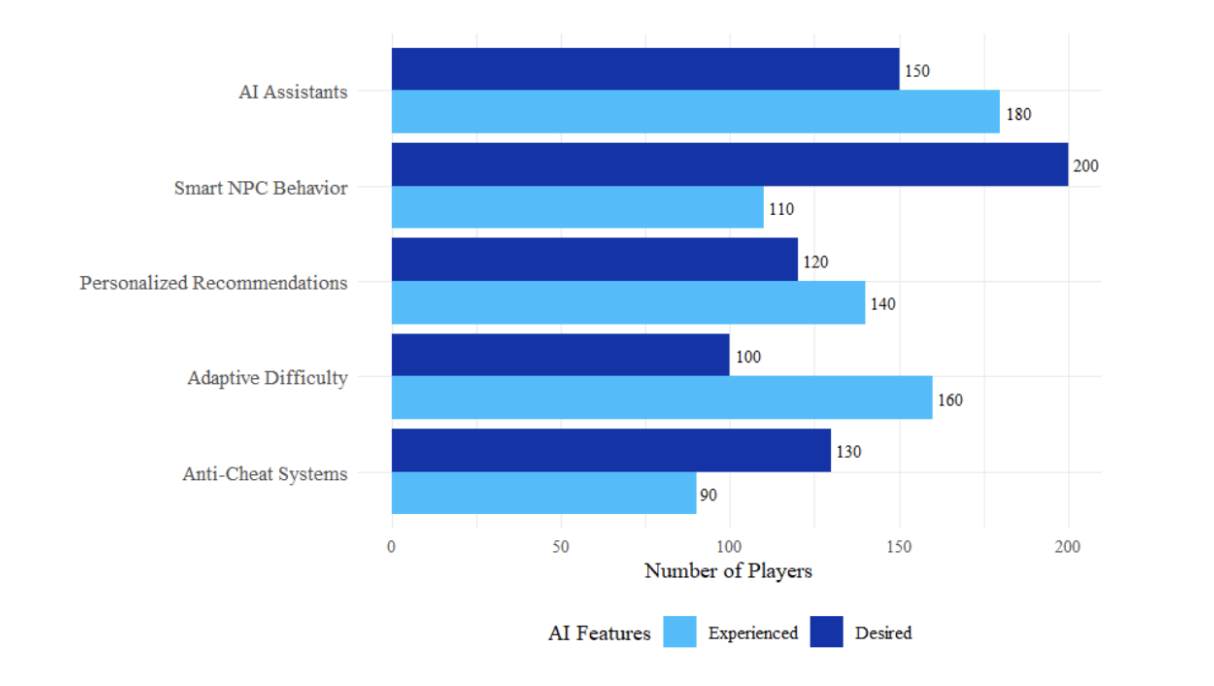
Figure 3: AI Features: Experienced vs. Desired. Source: Data from the author’s survey.
Note. Participants could select all responses that apply to AI features they have experienced and AI features they would like to see added to games.
“Smart NPCs” emerged as players’ most desired AI feature, significantly outpacing current implementation or experience levels. This level of interest suggests a substantial opportunity for more intelligent and reactive NPCs using AI, which respondents have not yet experienced. Conversely, although “Adaptive Difficulty Changes” were widely experienced by many respondents, the desire for this feature was lacking. The absence of interest may indicate dissatisfaction with current implementations or a diminished perceived value from having already experienced the technology. “Personalized Recommendations” revealed strong numbers across both desire and experience, suggesting opportunities to further enhance this feature. For “Anti-Cheat Systems,” players have a higher desire for this feature than the current experience levels, signaling a disappointment in the effectiveness of existing anti-cheat systems. This finding contradicts our initial assumptions from secondary research, which suggested systems like VAC improved player satisfaction. Based on these findings, developers should prioritize enhancing NPC intelligence capabilities while refining the approach to adaptive difficulty and personalization features to better align with player expectations.
AI Features: Concern vs. Support
To better understand player perspectives on the ethical use of AI in gaming, we analyzed responses to questions regarding personalizing purchase recommendations and concerns over privacy and data usage. Survey data revealed a weak negative correlation between privacy concerns and support for AI personalization features (r = -0.283, p < .001, N = 1,159). This significant negative correlation indicated that higher levels of privacy concern tend to be associated with lower levels of support for AI personalization features. Of all respondents, 9.2% strongly opposed AI personalization while maintaining a neutral privacy concern level, representing a segment of users with an ambivalent yet cautious outlook.
Figure 4 highlights the uneven distribution of support for AI personalization. For example, respondents with very high levels of privacy concern were strongly opposed to personalized recommendations, comprising 12.2% of respondents.
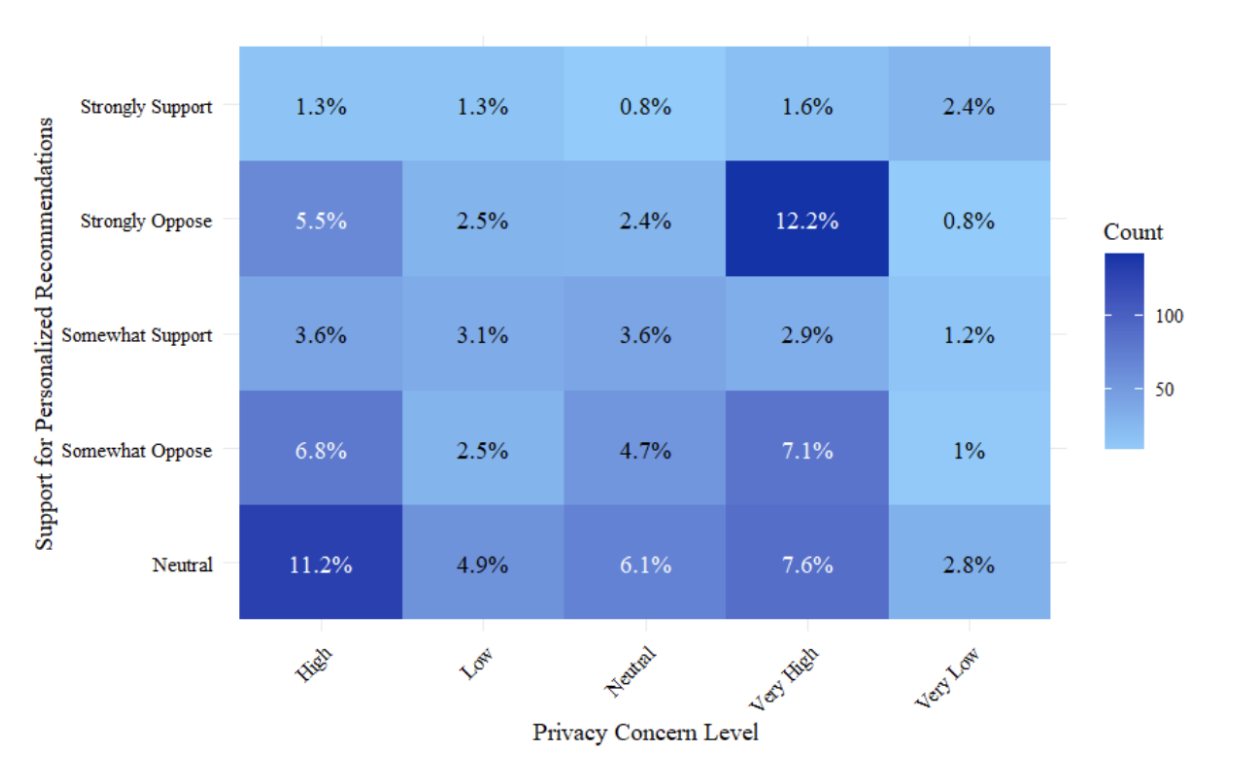
Figure 4: Privacy Concerns vs. Support for AI Personalization. Source: Data from the author’s survey.
Note. Survey questions analyzed include (1) I am concerned about privacy and data usage with the use of AI and (2) I support the use of AI to personalize in-game purchase recommendations.
We assessed how companies can combat these concerns. Companies should be transparent about player data collection to build trust and position themselves to adapt to any future federal regulations.
Mobile: Purchase Pattern & Desired Features
We found from the Mobile player sample (12.8% of total respondents) that players who purchase Power-ups demonstrated the strongest interest in AI-personalized Consumables (80.2%), suggesting that these gamers would value AI guidance to purchase the best Power-ups (see Appendix C, Figure C1). Meanwhile, players who are Battle Pass subscribers exhibited a higher preference for Quest Assistance (75.6%), which aligns with how players interact with any time-bound content. Players who purchased Ad Removals displayed substantial interest in Event Notification features (70.4%), indicating their value for staying in the gameplay loop without disruption. Interest in accessibility features was notably lower across all segments, implying they should be universally implemented instead of offered as paid features. These results support tailoring AI-enhanced features to complement the existing monetization patterns of mobile games.
PC: Current Benefits & Future Enhancements
Two key questions we analyzed from the PC section of our survey were (1) elements that can benefit from AI enhancements and (2) the most exciting aspects of AI integration in PC games. For PC players (52.9% of total respondents), “increasing immersion” ranked highest in interest (55.6% of PC respondents), indicating a strong preference for AI that enhances engagement and interactive worldbuilding (see Figure 5). This preference aligned with our second finding that “Storyline Development” ranked highest as the area that will benefit most from AI integration, reinforcing that immersive, narrative-focused AI is a top priority. Even so, approximately 11.4% of PC players chose “None” for both questions, signaling some resistance to AI-enhanced features that developers should not entirely overlook. Concentrating AI investments on creating more dynamic narratives and immersive worlds would be preferred over personalization features, which ranked consistently low in player interest.
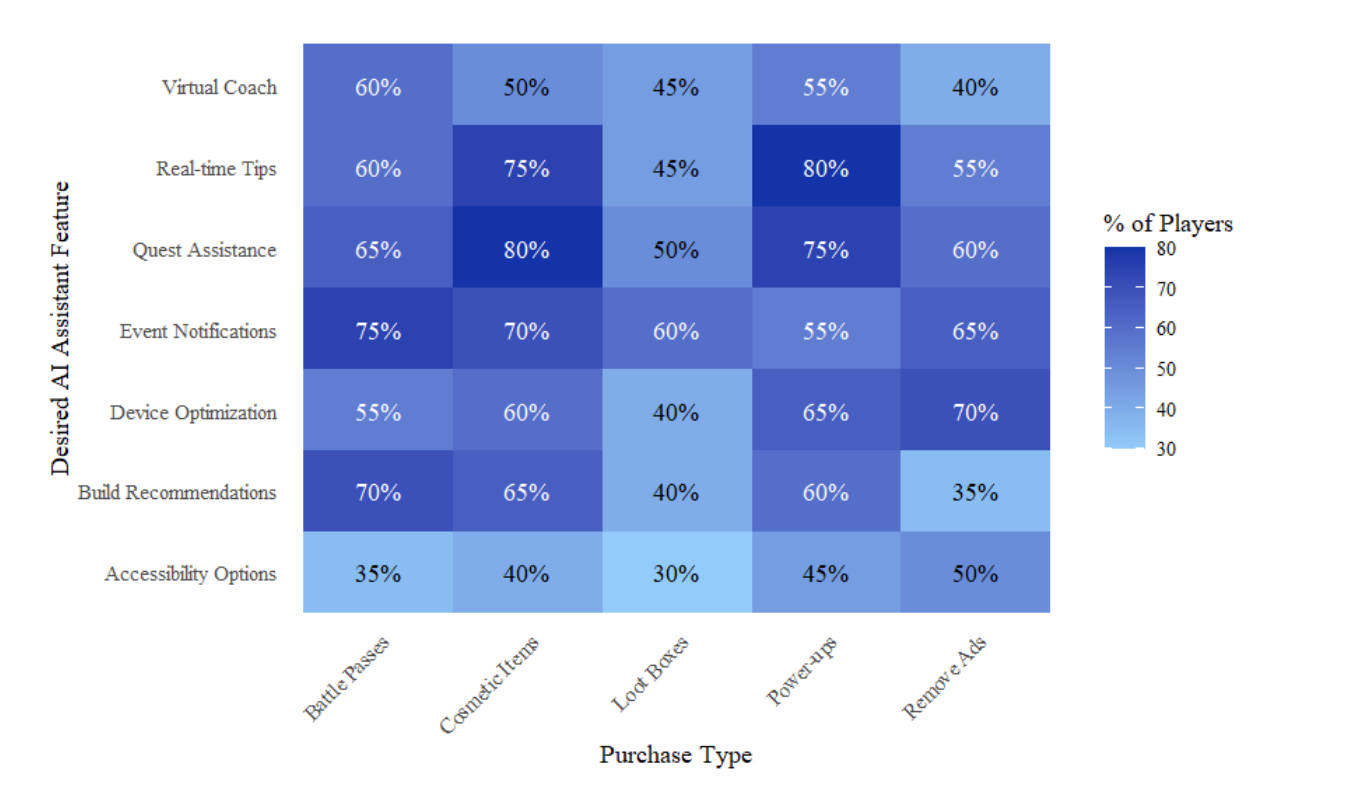
Figure 5: Mobile Games: Desired AI Assistant Features by Purchase Type. Source: Data from the author’s survey.
Note. Participants could select all responses that applied to the following questions: (1) What types of in-game purchases do you usually make? and (2) What features would you like to see in an AI assistant to improve your mobile gaming experience?
Console: Desired AI Features
Regarding Console players (34.9% of total respondents), we investigated their preference for elements that could benefit the most from AI enhancement. Our analysis revealed a clear hierarchy of technological expectations from this group of gamers (see Figure 6). Enhanced NPCs emerged as the number one priority (51.5% of console players), indicating a strong interest in more intelligent and responsive NPC interactions that foster immersive gameplay. Cross-platform play ranked second, with 21.2% of console players recognizing AI’s potential benefits in breaking down technological barriers. The preference for cross-play suggests that players seek engagement with the larger gaming community beyond console devices and view AI as a tool to bridge existing gaps. Of note, we also found that a subset of players (8.5%) did not choose any option, outlining existing skepticism around AI. To bridge technology gaps and combat player skepticism, console game developers should focus on AI-driven NPC intelligence and cross-platform play as priority innovation areas.
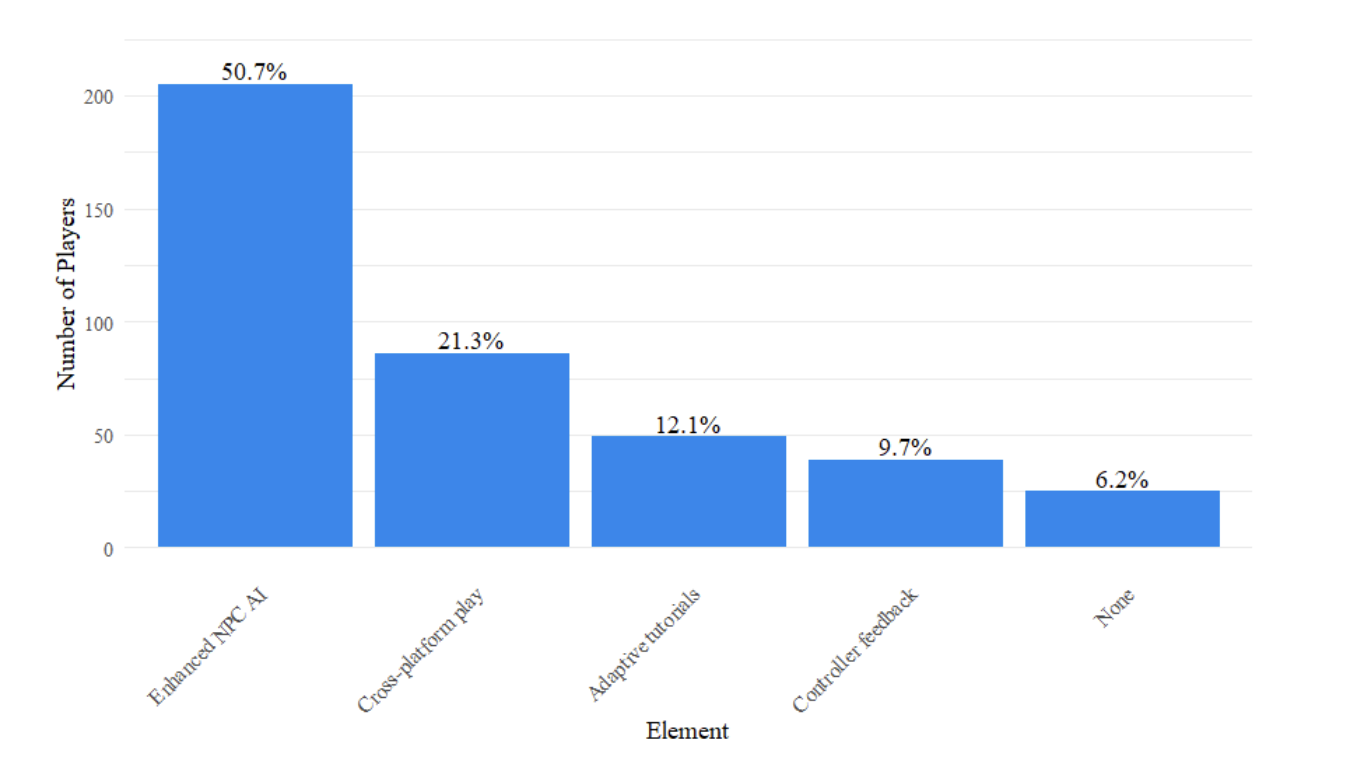
Figure 6: Console Gaming Elements Benefiting Most from AI. Source: Data from the author’s survey.
Note. Survey question analyzed: For console games, which element do you think could benefit the most from AI enhancements? Select one.
Industry Interviews
We completed nine interviews, which included six video game developers, one influencer, and two experiential entertainment professionals. In our initial discussions with Scopely, we determined we would also target experts in AI ethics. Despite our outreach, we could not secure an interview in this area, so we incorporated ethics-focused questions into our interview protocol. Additionally, we recognize that our analysis of the player’s perspective remains limited due to having only one influencer interview.
Overall, the interviews emphasized that AI would enhance development and gameplay but requires further refinement before mainstream adoption. Alex Hastings, Chief Architect of Insomniac Games, predicted significant progress would not be seen until around 2028 (A. Hastings, personal communication, January 24, 2025). This outlook supports our exploration of how AI is poised to reshape the gaming industry over the next three years.
The Player Experience
Our interviews echoed the capabilities of AI to make gaming sessions unique to an individual player through immersive and dynamic responses. Even so, some experts acknowledged that it may come to the detriment of creating shared experiences. A report from Activision Blizzard Media (2022) found that 66.0% of gamers engage with each other, either online or in person, underscoring the importance of shared experiences within the gaming community (Activision Blizzard Media, 2022). Jackson Van Over, a video game influencer, expressed concern that using AI to replace teammates or enemies in multiplayer settings may not improve the experience and could be seen as a manipulative tactic to keep players artificially engaged (J. Van Over, personal communication, February 04, 2025).
AI-Driven NPCs
Developer sentiment was optimistic about the impact of generative AI NPCs, which could enable games to break free from their scripted nature to feel more alive, dynamic, and unpredictable. Hastings noted that success in this area hinges on player expectations and tolerance for unexpected AI behavior (A. Hastings, personal communication, January 24, 2025). Developers working with licensed intellectual property (IP) are not in the best position to utilize generative AI, as it would require strict parameters to maintain a character’s consistency with the source material’s universe (2025). However, the environment of sandbox games like Grand Theft Auto (GTA), Cyberpunk 2077, and Minecraft could be better suited for AI-driven unpredictability, as players of these games tend to be more receptive to “agents of chaos” (2025). Our survey data supported this idea, as Figure 5 highlights the strong representation of the aforementioned sandbox games. Among the gaming community, Van Over noted how players are conflicted between wanting more dynamic NPCs and the concern of ethical transparency of AI-generated content (J. Van Over, personal communication, February 04, 2025).
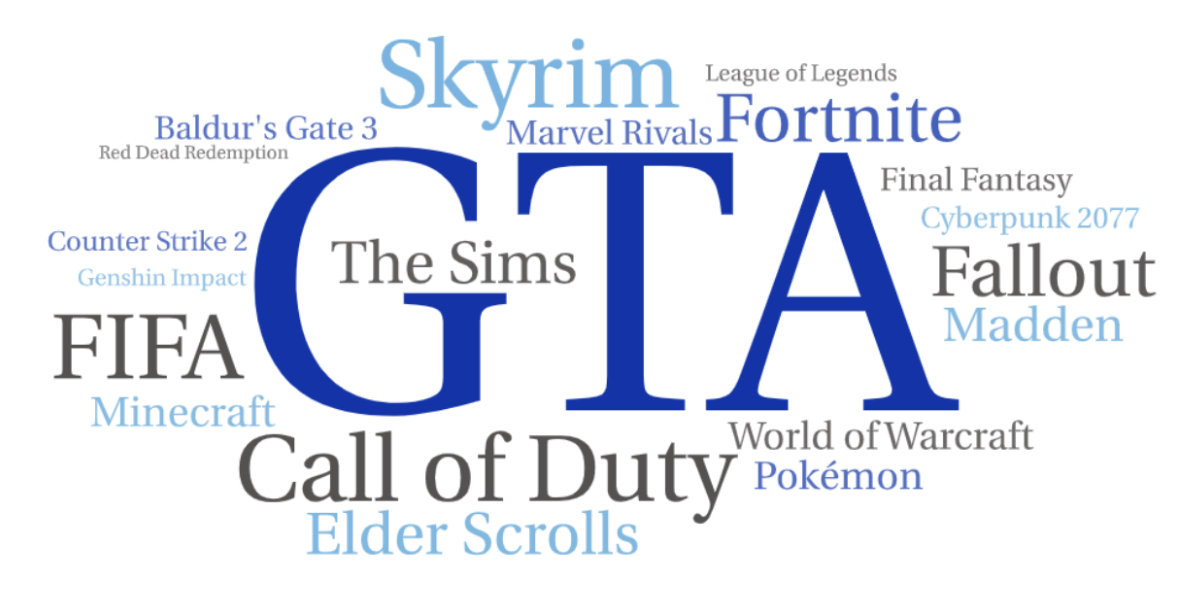
Figure 7: Player Picks: Top 20 AI-Enhanced Game Requests. Source: Data from the author’s survey.
Note. Respondents could list up to three titles for games they would most like to see enhanced with AI features. This figure represents the top 20 most frequently mentioned games.
LiveOps
Joost Van Dreunen, a prominent gaming researcher, mentioned that a positive use case for AI is the ability to filter toxic behavior at scale, such as inappropriate language (J. Van Dreunen, personal communication, December 20, 2024). Though implementation may not be deemed “mission-critical” at this time, it creates efficiencies that improve “the quality of conversation between a publisher and gamers, as well as between gamers and themselves” (2024).
A key challenge that remains for the use of AI in LiveOps is latency. Hastings noted how judging the speed of response rates has worked well on an individual scale but has not been successfully implemented simultaneously for thousands of players (A. Hastings, personal communication, January 24, 2025). In games where players do not expect instant responses, some latency may be acceptable; however, this may not be the case for all games (2025). Developers should proactively address latency issues and conduct thorough testing before deploying AI technology into consumer-facing gameplay.
Monetization
Holly Newman, Head of Business Operations at Oddworld Inhabitants, emphasized that video game companies are for-profit entities, and using AI can enhance operational efficiencies, allowing them to maximize revenue from players (H. Newman, personal communication, February 14, 2025). That said, the hope is that the trade-off will give players more of what they want (2025). Bill West, an expert consultant in the gaming industry, warned that as the industry moves toward AI-driven monetization, companies must carefully manage its integration, noting that “gamers don’t like feeling nickel and dimed” (B. West, personal communication, February 03, 2025). Ultimately, AI-driven monetization will only be effective if it strikes the right balance of leveraging efficiency without diminishing goodwill from the player base.
Research Summary
Our research dissected AI’s impact on the gaming industry through the lens of industry experts and video game players. While AI-driven personalization and NPC enhancements offer valuable innovation, significant challenges remain for effectively monetizing AI features and preserving the integrity of social gameplay. The industry must carefully balance innovation with player expectations to maintain trust and engagement. Drawing from our research, Chapter 4 delves into our key insights, recommendations, and concluding thoughts on the future of AI in the gaming industry.
Key Findings
“Artificial intelligence has existed under different names like ‘procedurally generated content’…. [Now], the rest of the world is kind of caught up to what has long been standard practice and a component of interactive entertainment.” (J. Van Dreunen, personal communication, December 20, 2024). The sentiment from our quantitative and qualitative findings strongly indicated that AI will undeniably transform the video game industry. The challenge game developers face is embracing innovation in alignment with players’ needs.
As AI becomes an integral part of the gaming industry, we find that an increased awareness from players does not necessarily translate to their willingness to pay for AI-driven features. This sentiment may be due to an educational and value proposition challenge rather than a lack of awareness. Shannon Harvey, a Creative Director who uses AI in the experiential entertainment space, theorized that it comes down to education and “people having a real kind of understanding of how to get the best out of it” (S. Harvey, personal communication, November 25, 2024).
Although no federal AI regulations exist, Executive Order No. 14179 (2025) calls for developing an Artificial Intelligence Action Plan, potentially paving the way for future legislation (Exec. Order No. 14179, 2025). Therefore, it is in a company’s best interest to be transparent about its use of AI in preparation for any prospective policy changes. In doing so, developers can increase user buy-in by demonstrating that they are implementing this technology with the user’s needs in mind. To successfully monetize AI features and overcome the pay-resistant mentality, developers should emphasize the tangible benefits these features provide players.
Another key theme from our findings was the effect of AI on the overall player experience. While AI can provide hyper-personalized in-game experiences, shared experiences are still a priority for the gaming community. Our survey indicated that player preferences for personalized features ranked consistently low. We also found that higher levels of privacy concern tend to be associated with lower levels of support for AI personalization. Therefore, companies should not overlook player resistance to AI-enhanced features and avoid being overly aggressive in their deployment tactics.
The relationship between players and AI-driven NPCs represents one of the most promising aspects of innovation but requires careful execution. “Smart NPCs” emerged as the most desired AI feature among players across platforms, significantly outpacing current implementation levels in the industry. Companies should prioritize AI innovation for NPCs, though we acknowledge that those who develop games based on licensed IP may face more constraints. As companies continue to scale AI within the LiveOps ecosystem, especially regarding generative elements, testing protocols should be implemented to prevent latency issues that could disrupt the in-game experience. Based on these observations, companies should focus AI investments on creating more dynamic narratives and immersive worlds that enhance the gameplay experience.
Recommendations
Our research questions guided us as we investigated how AI will transform video game ecosystems over the next three years, particularly in live operations, commerce, and player analytics. We examined the effects of AI on player-to-player relationships and NPC interactions and which AI applications will have the most significant industry impact. Based on our findings, we propose the following recommendations ffor the imminent AI transformation the gaming industry will face.
NPC Recommendations
Create Context-Aware NPCs. Invest in creating NPCs with contextual awareness that can remember player choices and interactions, enabling adaptive behavior to foster meaningful relationships that evolve in the in-game world.
Create Genre-Specific NPC Parameters. Develop different tolerance levels for NPC unpredictability based on genre and/or platform. Sandbox games like GTA or open-world fantasy games like Dragon Age may be better suited for AI-driven unpredictability than games requiring more strict parameters, such as licensed IP.
Ethical Implementation. Communicate how AI is used for NPCs regarding its overall impact on gameplay capabilities. Add up-front disclosures or splash screens at the start of a game, rather than burying the details in the fine print.
Implement NPC Complexity in Stages. Introduce increasingly sophisticated NPCs gradually to allow players to adapt to AI-driven interactions. Gradual implementation will help maintain transparency about which characters are AI enhanced while simultaneously testing the boundaries of AI NPC interactions.
License the Nemesis System Patent. Acquire a non-exclusive license to use the Nemesis System patent to enhance the adaptive dynamics of NPCs. (A. Hime, personal communication, March 1, 2025).
Mobile-Specific Recommendations
Personalize Monetization by Purchase Pattern. Align AI features with existing purchase behaviors. For instance, players who purchase power-ups could be provided with customized consumables such as one-time resource boosters.
Develop Dynamic Event Notifications. Include AI-driven event notifications that consider player engagement patterns, particularly for players who value uninterrupted gameplay experiences (such as those who purchase Ad Removals).
Core Features Over Premium Enhancements. Universal accessibility features should be the standard rather than added as a premium across all segments.
PC and Console Recommendations
Based on our findings across PC and Console, we recommend focusing on four areas: (1) narrative immersion, (2) AI skepticism, (3) cross-platform play, and (4) adaptive learning systems. For narrative immersion, developers should create AI-driven audio systems that adapt to player decisions and preferences, seamlessly enriching the gaming environment without drawing attention to the technology. To address AI skepticism, concrete gameplay benefits should be demonstrated through hands-on tutorials and community sessions rather than by marketing AI as a feature without context. Next, improve cross-platform play by utilizing AI to reduce technical barriers and latency issues, fostering a more unified gaming community across devices. Finally, implement AI adaptive learning systems that observe and respond to individual player behaviors to create more intuitive tutorials and personalized in-game guidance.
Player-to-Player Matchmaking Recommendations
Develop Behavior-Based Matchmaking. To address concerns about artificial player engagement tactics, create systems that match players based on play style and behavioral patterns rather than skill level. Similar to how Call of Duty has implemented cheater lobbies, AI-driven matchmaking can also be used to pit bad actors against each other.
Balance AI and Human Interaction. Design matchmaking systems that supplement rather than replace human interaction, allowing for wider player interactions across regions and/or ranks. Additionally, implement opt-in features based on whether players want to play with or against AI, providing more agency in player choice for their experiences.
Implement Transparent Matchmaking Parameters. Clearly communicate to players which data points are being used for matchmaking and provide opt-out options for sensitive data collection.
Monetization: Adjacent Innovation
We have addressed AI monetization solutions that align with existing purchase behavior and prioritize transparency to avoid exploitation. To expand on this, industry professionals suggest looking to adjacent innovations like NFTs as a future pathway for in-game commerce. Steven Gray, who has worked for leading companies like Tencent and Electronic Arts, illustrated the following example:
Imagine that I, as a user, am creating user-generated content using AI. If those things that I created were NFTs, and if there were a cryptocurrency associated with content generation, [where] I was able to offer my things for sale... It offers an opportunity for more people—potentially everyone playing the game—to participate in the economy of that game. (S. Gray, personal communication, February 26, 2024)
Incorporating NFTs into the gaming ecosystem could not only provide players greater autonomy over their data, such as what is collected for procedural generation, but also create new revenue opportunities for both players and developers.
Conclusion
“Things are going to change really, really fast in the next few years, and everybody’s going to have to keep up” (S. Gray, personal communication, February 26, 2025). Integrating AI across industries is inevitable, and this study points to the gaming industry as the sector of entertainment that will be the quickest to adopt AI technology. Studios prioritizing AI-driven immersion, ethical transparency, and non-intrusive monetization strategies will likely be the biggest winners over the next three years.
Developers need to recognize how AI can enhance player experiences, helping extend a game title’s longevity and boosting organic player engagement. Based on our research, AI NPCs will be a major selling point for players across all platforms, speaking to a desire for AI-driven narrative and immersion enhancements. Additionally, studios that successfully implement AI in LiveOps on a large scale will set the benchmark for AI in multiplayer experiences. As AI becomes more mainstream, we anticipate that regulatory changes concerning AI usage and privacy will be introduced, which may govern how aggressively studios can utilize data for AI personalization. Regardless, developers must carefully balance AI innovation with transparency to maintain trust from their user base.
AI is not a replacement for creativity, but it is changing how we think about it. The companies that figure out how to use AI to enhance storytelling that aligns with the player’s needs, not just generate content, will define the next era of gaming. By implementing these recommendations, Scopely can position itself at the forefront of AI innovation in gaming.
-
Activision Blizzard Media. 2022. The Real Social Connector: How Gaming Drives Community, Authenticity, and Engagement. https://www.activisionblizzardmedia.com/content/dam/atvi/ab-media/news-resources/documents/How_Gaming_Drives_Community_Authenticity_and_Engagement.pdf.
Al Bari, S. 2024. Global Book Publishing – Market Research Report (2014–2029). IBISWorld. https://www.ibisworld.com/global/industry/global-book-publishing/572/.
Amazon Web Services. 2024. “Live Game Operations (Live Ops)—Games Industry Lens.” In AWS Well-Architected Framework: Games Industry Lens. https://docs.aws.amazon.com/pdfs/wellarchitected/latest/games-industry-lens/games-industry-lens.pdf#live-ops.
Arbanas, J., C. Arkenberg, J. Loucks, and K. Westcott. 2024. “For Women Playing Video Games, It’s (Still) a Man’s World.” Deloitte Insights. https://www2.deloitte.com/us/en/insights/industry/technology/digital-media-trends-consumption-habits-survey/2024/how-can-gaming-industry-get-more-female-gamers.html.
Arkenberg, C., and A. Dhameja. 2022. “A Borderless World: Crossplay Brings Gamers Together.” Deloitte Insights. https://www2.deloitte.com/us/en/insights/industry/technology/future-crossplay-gaming-demand.html.
Bonn, N. 2023. The Impact of Integrating Artificial Intelligence into the Video Games Industry. KTH Royal Institute of Technology. https://kth.diva-portal.org/smash/get/diva2%3A1820226/FULLTEXT01.pdf.
Buijsman, Michiel. 2024. “The Global Games Market Will Generate $187.7 Billion in 2024.” Newzoo. https://newzoo.com/resources/blog/global-games-market-revenue-estimates-and-forecasts-in-2024.
Canca, C., L. H. Ihle, and A. M. Schoene. 2024. “Why the Gaming Industry Needs Responsible AI.” ACM Games 2 (2): 17:1–17:4. https://doi.org/10.1145/3675803.
Clement, J. 2024. “Distribution of Video Gamers in the United States from 2006 to 2023, by Gender.” Statista. https://www-statista-com.cmu.idm.oclc.org/statistics/232383/gender-split-of-us-computer-and-video-gamers/.
Columbia University. n.d. “The Future of Artificial Intelligence in Video Games.” Columbia Engineering. https://ai.engineering.columbia.edu/ai-applications/ai-video-games/.
DigitalOcean. n.d. “What Is Cloud Gaming? New Frontiers for Game Development and Distribution.” DigitalOcean. https://www.digitalocean.com/resources/articles/what-is-cloud-gaming.
Duetzmann, M. 2022. “Video Game Definition of the Week: Battle Pass.” Engaged Family Gaming. https://engagedfamilygaming.com/parent-resources/video-game-definition-of-the-week-battle-pass/.
Exec. Order No. 14179. 2025. 90 Fed. Reg. 8741 (January 31, 2025). https://www.govinfo.gov/content/pkg/FR-2025-01-31/pdf/2025-02172.pdf.
Fahey, R. 2023. “Could AI Spell the End of the Immersion-Breaking NPC? | Opinion.” GamesIndustry.biz. https://www.gamesindustry.biz/could-llms-spell-the-end-of-the-immersion-breaking-npc-opinion.
Filipović, A. 2023. “The Role of Artificial Intelligence in Video Game Development.” Kultura Polisa 20 (3): 50–67. https://doi.org/10.51738/Kpolisa2023.20.3r.50f.
Gach, E. 2025. “Warner Bros. Cancels Wonder Woman Game and Shuts Down Shadow of Mordor Studio.” Kotaku. https://kotaku.com/monolith-productions-wonder-woman-multiversus-cancel-wb-1851766400.
Galway, L., D. Charles, and M. Black. 2009. “Machine Learning in Digital Games: A Survey.” Artificial Intelligence Review 29: 123–161. https://doi.org/10.1007/s10462-009-9112-y.
GCU Experience. 2020. “College Esports Across the United States.” Grand Canyon University. https://www.gcu.edu/blog/gcu-experience/college-esports-across-united-states.
GDC Team. 2025. 2025 GDC State of the Game Industry Report. GDC. https://www.dropbox.com/scl/fo/pel5295n7j0on8zscomjh/AJPBdLSZVQYicWY6GHf1EyY?dl=0.
“Global Music Report 2025.” 2025. IFPI Global Music Report 2025. IFPI. https://www.ifpi.org/wp-content/uploads/2024/03/GMR2025_SOTI.pdf.
Gwertzman, J., and J. Soslow. 2022. “The Generative AI Revolution in Games.” Andreessen Horowitz (a16z). https://a16z.com/the-generative-ai-revolution-in-games/.
Hayes, A. 2024. “Augmented Reality (AR): Definition, Examples, and Uses.” Investopedia. https://www.investopedia.com/terms/a/augmented-reality.asp.
Hayes, A. 2024. “Blockchain Facts: What It Is, How It Works, and How It Can Be Used.” Investopedia. https://www.investopedia.com/terms/b/blockchain.asp.
IONOS Editorial Team. 2023. “What Is a Non-Player Character (NPC)?” IONOS Digital Guide. https://www.ionos.com/digitalguide/online-marketing/social-media/what-is-an-npc/.
iXie. 2024. “The Role of Player Behavior Analytics in Gaming.” iXie Gaming. https://www.ixiegaming.com/blog/role-of-player-behavior-analytics-in-gaming/.
Kenny. 2021. “Procedural Generation: An Overview.” Medium. https://kentpawson123.medium.com/procedural-generation-an-overview-1b054a0f8d41.
Lark Editorial Team. 2024. “Anti-Cheat Systems.” Lark. https://www.larksuite.com/en_us/topics/gaming-glossary/anti-cheat-systems.
Lavri, O. 2024. “How the Gaming Industry Can Level Up Workforces with AI.” TalentNeuron. https://www.talentneuron.com/blog/how-the-gaming-industry-can-level-up-workforces-with-ai.
Lutkevich, B. 2023. “Virtual Reality Gaming (VR Gaming).” TechTarget. https://www.techtarget.com/whatis/definition/virtual-reality-gaming-VR-gaming.
Muncy, J. 2015. “Open-World Games Are Changing the Way We Play.” Wired. https://www.wired.com/2015/12/open-world-games-2015/.
Murry, C. 2024. “Cryptocurrency Explained with Pros and Cons for Investment.” Investopedia. https://www.investopedia.com/terms/c/cryptocurrency.asp.
NordVPN. n.d. “Sandbox Gaming.” NordVPN Cybersecurity Glossary. https://nordvpn.com/cybersecurity/glossary/sandbox-gaming/.
Ovanin, V. 2024. “AI in Video Games: Shaping the Future of Gaming.” Ultralytics. https://www.ultralytics.com/blog/ai-in-video-games-shaping-the-future-of-gaming.
Paul, A. 2025. “Unpacking the Ethics of AI in the Gaming Industry.” OpenGrowth Blog. https://www.blogs.opengrowth.com/unpacking-the-ethics-of-ai-in-the-gaming-industry.
PR Newswire. 2025. “Artificial Intelligence (AI) in Games Market to Grow by USD 27.47 Billion (2025–2029), Rising Adoption of AR and VR Games Fuels Growth, Report on AI Evolution—Technavio.” Yahoo Finance. https://finance.yahoo.com/news/artificial-intelligence-ai-games-market-072500908.html.
Research and Markets. 2024. Global Video Games (Mobile, Console, and PC) Market: Insights & Forecast (2024–2028). Research and Markets. https://www.researchandmarkets.com/reports/5641174/global-video-games-mobile-console-and-pc.
Saksena, S. 2024. “EA CEO Talks About the Future of Apex Legends and the Benefits of AI.” IGN India. https://in.ign.com/apex-legends/203425/news/ea-ceo-talks-about-the-future-of-apex-legends-and-the-benefits-of-ai-details-here.
Sharma, R. 2024. “Non-Fungible Token (NFT): What It Means and How It Works.” Investopedia. https://www.investopedia.com/non-fungible-tokens-nft-5115211.
Shepard, K. 2025. “The Nemesis System Was One of the Best Things Gaming Ever Did, and WB Just Killed It.” Kotaku, February 25. https://kotaku.com/monolith-productions-middle-earth-nemesis-system-patent-1851766437.
Shinde, Y. 2024. “AI in Gaming Market to Hit USD 28.0 Billion by 2033.” Market.us Scoop. https://scoop.market.us/ai-in-gaming-market-news/.
Steam Charts. 2024. “Steam Concurrent Users Statistics.” SteamDB. https://steamdb.info/app/753/charts/#6y.
Steam News. 2020. “Introducing the Steam Interactive Recommender.” Steam. https://store.steampowered.com/news/app/593110/view/1716373422378712840.
Stream Hatchet. 2021. “Mid-Tier Influencers Drive Live Stream Viewership.” Stream Hatchet. http://streamhatchet.com/blog/mid-tier-influencers-dominate-live-stream-viewership/.
Stryker, C. 2024. “What Is Artificial Intelligence (AI)?” IBM Think. https://www.ibm.com/think/topics/artificial-intelligence.
The Business Research Company. 2024. “Insights into the Artificial Intelligence (AI) in Video Games Market’s Growth Potential 2024–2033—Latest Global Market Insights.” The Business Research Company Blog. https://blog.tbrc.info/2024/09/artificial-intelligence-ai-in-video-games-markets-growth/.
The Business Research Company. 2025. Motion Picture Industry Global Market Report 2025. The Business Research Company. https://www.thebusinessresearchcompany.com/report/motion-picture-industry-global-market-report.
Thomas, D. 2024. “AI in GameFi: Enhancing Player Experience and Managing Risks.” Medium. https://medium.com/the-geopolitical-economist/ai-in-gamefi-enhancing-player-experience-and-managing-risks-386ff9002150.
Toh, A., and I. Wu. 2025. “The Coalescence of Blockchain, Gaming, and AI.” The Block Research. https://www.tbstat.com/wp/uploads/2025/01/20250127_GamingAI_Report.pdf.
Unity. 2024. 2024 Unity Gaming Report. Unity Technologies. https://unity.com/resources/gaming-report.
Unity. n.d. “What Is an In-Game Economy?” Unity. https://unity.com/how-to/what-game-economy-guide-part-1.
Webley, B. 2023. “The Future of Gaming: Social Ecosystems That Transcend Platforms.” Scopely. https://www.scopely.com/en/news/ben-webley-the-future-of-gaming-social-ecosystems-that-transcend-platforms.